- Branded single-dose semaglutide pens tolerate up to 28 days at room temperature; branded tirzepatide 21 cumulative days; the multi-use pens 56 days in use.
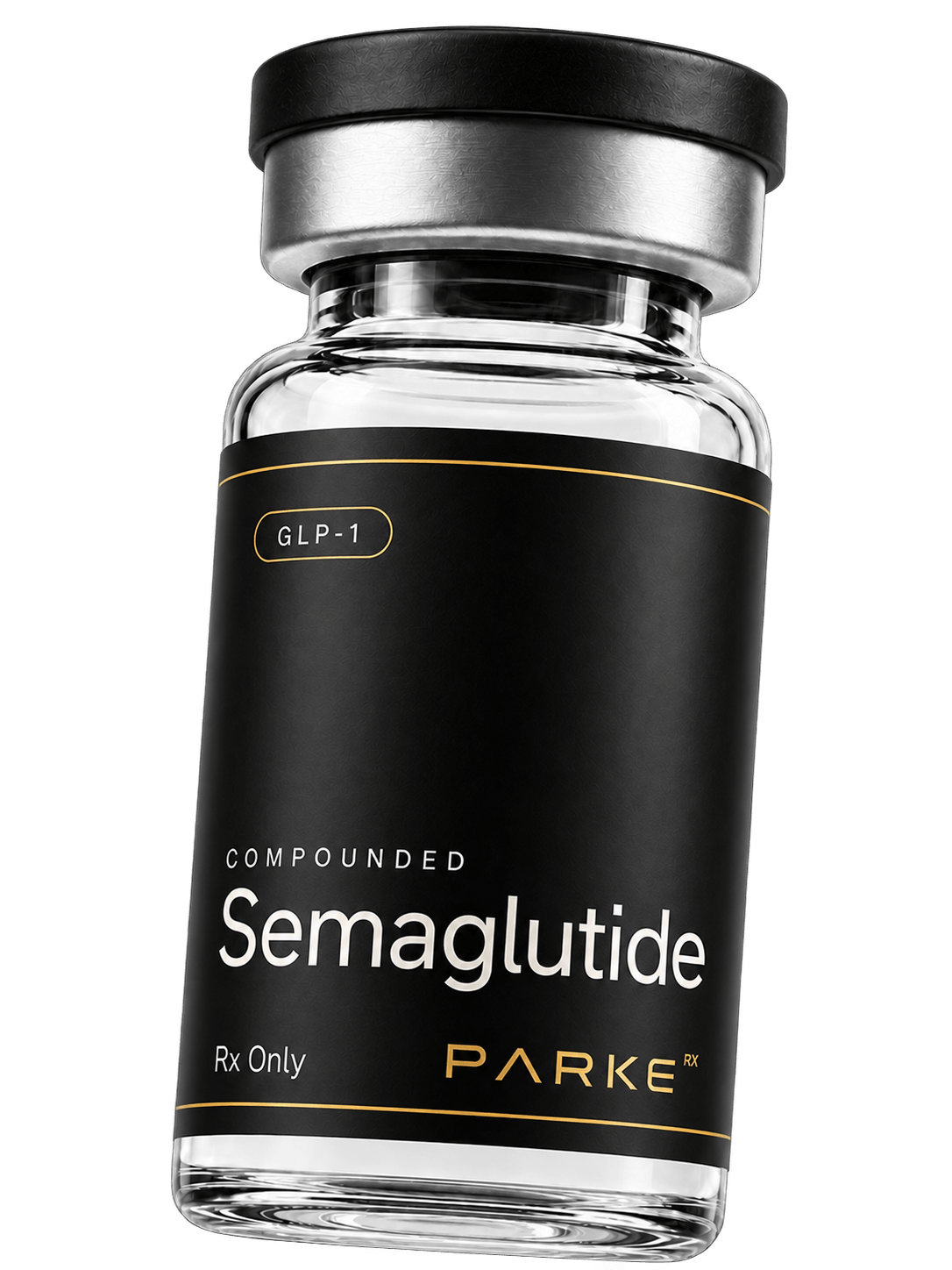
- A compounded vial follows one authority: the beyond-use date and storage line its pharmacy printed.
- Always carry-on, never checked luggage: the cargo hold is uncontrolled in both directions, and lost bags lose treatment.
- TSA allows injectable medication and its cold packs in carry-ons; labeled pharmacy packaging makes the checkpoint a glance.
- Heat above 30°C and freezing are the two killers. A parked car crosses the line in minutes.
The short answer
Traveling with semaglutide or tirzepatide is easier than the packing anxiety suggests: both medications tolerate days to weeks at room temperature by label, both fly in your carry-on, and airport security handles injectable medication every single day. The two rules that matter are simple: know your product's out-of-fridge limit before you leave, and never let the medication ride anywhere that gets hot, which mostly means checked luggage and parked cars.
Here is the whole trip, from the label numbers to the security line to the sad little hotel fridge.
Traveling with semaglutide or tirzepatide: how long each tolerates room temperature
The labels, current on DailyMed, publish the numbers, and they are roomier than most people expect.
Branded semaglutide for weight management, in the single-dose pen or syringe, stores in the refrigerator at 2°C to 8°C (36°F to 46°F), and may be kept at 8°C to 30°C (46°F to 86°F) for up to 28 days, in the original carton to protect it from light. The branded multi-use pen for weight management and the type 2 diabetes pens allow 56 days at room temperature after first use. Branded tirzepatide's single-dose pen or vial may sit at room temperature up to 30°C (86°F) for a cumulative total of 21 days; after 21 days out, the label says discard.
Compounded vials play by a different rule: the beyond-use date your pharmacy prints on the label, which is specific to that preparation. Keep compounded vials refrigerated when you can, follow the printed date, and read what the compounded label actually tells you before your first trip. When your product and its paperwork disagree with a general article, the paperwork wins.
Two limits apply to everything above. Heat above 30°C (86°F) is out of bounds for all of them, which rules out glove boxes, beach bags in the sun, and checked luggage on a summer tarmac. And freezing is a one-way door: every label says a frozen pen or vial is a discarded one.
So for most trips under two weeks, the honest answer is that a cooler bag is a comfort, not a requirement. You are usually protecting the medication from heat spikes, not building a rolling refrigerator.
Airport security: what to carry and what to say
Injectable medication is routine for TSA. Under its medical exceptions, medications, including injectables and the cold packs that accompany them, are allowed in carry-on bags in reasonable quantities beyond the usual liquid limits. The screening playbook is short: keep the medication in your carry-on, tell the officer at the start of screening that you are carrying injectable medication with cold packs, and place it in a bin for separate inspection if asked.
TSA does not require a prescription or a clinician's letter for domestic screening, but the practical advice is to travel with the medication in its labeled packaging anyway, pharmacy label attached, because a labeled medication converts every conversation at a checkpoint from an explanation into a glance. Gel ice packs pass most smoothly when frozen solid at the checkpoint; a partially thawed pack accompanying medication is still permitted as a medical accessory, it just invites an extra minute of screening.
Never put the medication in checked luggage. The cargo hold's temperature is uncontrolled in both directions, checked bags miss connections, and a lost bag with your month of treatment in it is a vacation problem no cooler solves. The cabin is temperature-controlled for humans, which makes it temperature-controlled for medication; 35,000 feet is actually the easy part of the trip.
Cooler bags that actually hold temperature
For the trips that do need cold, an insulated case earns its space. What separates a working travel case from a lunch bag is stated performance: look for a case that publishes how long it holds a 2°C to 8°C range, uses replaceable gel or phase-change packs, and is sized so the packs never touch the medication directly, because a gel pack straight from a freezer can frost-burn a vial into the do-not-use category. Wrap pens or vials in cloth, or use a case with a divider.
A few practical habits do more than expensive gear. Chill the case and its packs fully before packing. Load the medication cold, straight from the fridge, rather than asking the case to cool warm cargo. Keep the case in shade and out of the car when parked. And for driving trips, remember the failure mode is heat, not time: a case that holds temperature for 24 hours covers nearly any drive if it stays out of the sun.
Hotels, rentals, and the mini-fridge problem
Hotel mini-fridges are the least trustworthy refrigerators you will ever meet. Many are coolers rather than true refrigerators, some cycle warm overnight to save power, and a few run cold enough to freeze whatever touches the back wall, which is the one outcome worse than warm.
The routine that works: on arrival, check whether the fridge is actually cold, put a glass of water in for an hour and feel it. Store medication in the middle of the cabinet, never against the back wall or the cooling plate, still in its carton. If the fridge feels like theater, use it anyway for shade and stability, and lean on your product's room-temperature window, which is exactly what that window exists for. In rentals, the kitchen refrigerator solves everything; just keep vials out of the door shelf, where temperature swings hardest, a habit worth keeping at home too.
For stays inside your product's out-of-fridge limit, the calmest plan is often no refrigeration at all: a drawer in an air-conditioned room, in the carton, away from the window, counting days.
International travel and prescriptions
Crossing borders adds paperwork questions, not chemistry ones. Carry the medication in original labeled packaging, bring documentation that connects it to you, the pharmacy label plus a copy of your treatment paperwork covers most countries, and keep quantities to a personal supply for the trip. Rules vary by destination, and a few countries restrict injectable medications or require declarations, so check the destination country's embassy guidance before you fly. If you need a letter summarizing your treatment for a border or a cruise line, message your care team through the portal and we will prepare one; that is ordinary concierge work at Parke, not a special request.
One scheduling note pairs well with a long trip: if your injection day will land mid-flight or mid-time-zone-scramble, move it deliberately before you leave using the injection-day rules, rather than improvising abroad.
“Carry it on, keep it labeled, keep it out of the heat. The medication travels better than most of my members expect.”
Dr. Alana Reyes, MD
If a dose got warm: the decision tree
First, establish what actually happened: how warm, and for how long. Room temperature is not a failure. For branded semaglutide single-dose pens, up to 28 days at up to 30°C is inside the label; for branded tirzepatide, 21 cumulative days; for the branded multi-use pens, 56 days in use. A pen that sat on a hotel dresser for a weekend is, for most products, simply fine, though the days count against the limit.
Discard without debate when: the medication was frozen; it spent meaningful time above 30°C (86°F), a car interior in summer reaches that within minutes; it has exceeded its label's total time out of refrigeration; or the liquid is cloudy, discolored, or carrying particles when it should be clear. When the history is unknowable, a bag left in a taxi trunk for an afternoon, treat unknowable as unusable.
In the middle sits the honest gray zone: warm-ish, briefly, days unclear. That is a message, not a guess. Send your care team the timeline through the portal and let a clinician make the call with the product's specifics in front of them; if a replacement is needed, arranging one is exactly what we are for.
The bottom line
Traveling with semaglutide or tirzepatide comes down to numbers you can write on a luggage tag: fridge at 2°C to 8°C, room temperature up to 30°C, 28 days for branded semaglutide single-dose pens, 21 for branded tirzepatide, 56 for the multi-use pens, and a compounded vial's own printed beyond-use date. Carry-on always, labeled always, heat never, freezing never. Those figures come from the branded, FDA-approved labels, not compounded preparations, whose pharmacy paperwork governs instead.
Members with a trip coming can message the care team for a travel letter or a refill timed to departure. If you are not yet a member, tirzepatide and semaglutide both ship with clinician support that answers hotel-fridge questions at 9 pm, and eligibility takes about two minutes.
Traveling with semaglutide: frequently asked questions
How long can semaglutide stay out of the fridge?
For the branded weight-management single-dose pen or syringe, the label allows up to 28 days at 8°C to 30°C (46°F to 86°F), kept in its carton away from light. The branded multi-use pens allow 56 days after first use. A compounded vial follows the beyond-use date and storage instructions your pharmacy printed, so read that label first.
Can I bring GLP-1 injections through TSA?
Yes. Injectable medications and their cold packs are allowed in carry-on bags under TSA's medical exceptions, in reasonable quantities beyond the standard liquid limits. Declare them at the start of screening and expect a possible separate look. No prescription or letter is required domestically, but keeping the medication in labeled pharmacy packaging makes the checkpoint conversation effortless.
Do I need a letter from my clinician to travel?
Not for domestic flights; TSA does not require one. For international travel, a letter plus original labeled packaging is the safer standard, since some countries ask travelers to document injectable medications at entry. Check your destination's embassy guidance, and message your Parke care team before the trip; preparing a travel letter is routine and free.
Medical Director at Parke. Board-certified in internal medicine, with a decade of clinical practice focused on metabolic health. She reviews every clinical claim in this journal before it publishes.
- DailyMed (NIH): current FDA-approved prescribing information for branded semaglutide 2.4 mg injection, the source for the refrigerator range and the 28- and 56-day room-temperature windows.
- DailyMed (NIH): current FDA-approved prescribing information for branded tirzepatide injection, the source for the 21-day cumulative room-temperature limit.
- TSA: Special procedures: the medical exceptions for traveling with medications, injectables, and accompanying cold packs in carry-on baggage.
This article is general education, not medical advice, and it is not a complete list of risks or side effects. Trial figures cited here come from studies of branded, FDA-approved products; compounded medications are prepared by state-licensed US compounding pharmacies and are not FDA-approved or evaluated for safety, effectiveness, or quality. Whether any treatment is appropriate for you is a decision made with a licensed clinician who knows your history. If you are experiencing a medical emergency, call 911. Review the important safety information on each treatment page.