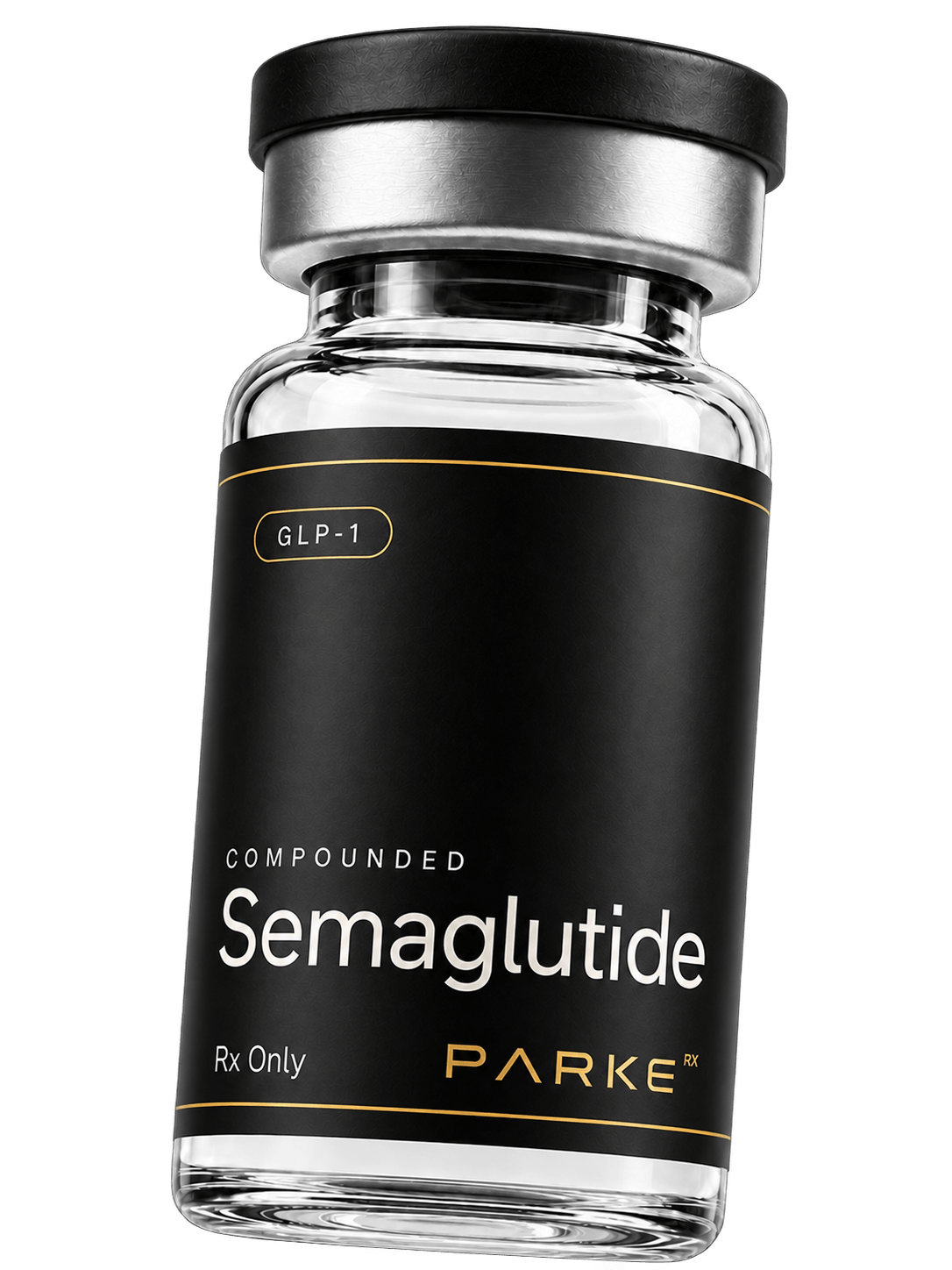
- Home base is the refrigerator at 2°C to 8°C (36°F to 46°F), mid-shelf, in the carton, away from the door and the back wall.
- Out of the fridge, the branded clocks are 28 days for semaglutide single-dose pens, 21 cumulative days for tirzepatide, 56 in use for multi-use pens.
- A compounded vial obeys its printed beyond-use date, which perfect refrigeration does not extend.
- Freezing is permanent: a frozen pen or vial is a discarded one, even after it thaws and looks normal.
- Before every injection, three seconds of attention: clear and colorless, or do not use it.
The short answer
How to store semaglutide, in one sentence: keep it in the refrigerator at 2°C to 8°C (36°F to 46°F), and if life intervenes, the branded single-dose pens tolerate up to 28 days at room temperature while a compounded vial follows the beyond-use date printed on its label. Tirzepatide runs by the same logic with a shorter clock, 21 days at room temperature for the branded single-dose formats.
Everything else in this guide is the detail behind those two sentences: where in the fridge, what the printed dates mean, what actually kills these medications, and how to recognize a vial that should not be used.
How to store semaglutide and tirzepatide: the refrigerator range
Every format of both medications wants the same home: a refrigerator holding 2°C to 8°C (36°F to 46°F), the standard cold-chain range the branded labels specify and compounding pharmacies echo.
Where in the fridge matters more than people expect. The middle of a center shelf is the calmest spot in the appliance. The door is the worst: it swings toward room temperature at every opening, and door shelves are where fridge thermometers register their widest swings. The back wall is the opposite trap, cold enough near the cooling element to freeze what touches it, and freezing, as we will get to, is the unforgivable one. Keep pens and vials in their cartons, mid-shelf, away from the walls, and light exposure is handled at the same time.
If you want certainty instead of vibes, a five-dollar fridge thermometer beside the carton settles the question every time you open the door.
Room temperature limits by product
Out of the fridge is not ruined; it is on a clock, and the clock differs by product.
Branded semaglutide for weight management, single-dose pen or syringe: up to 28 days at 8°C to 30°C (46°F to 86°F), in the carton, then discard. The branded multi-use pens, for weight management and type 2 diabetes, allow 56 days after first use at room temperature or refrigerated. Branded tirzepatide, single-dose pen or vial: a cumulative total of 21 days at up to 30°C (86°F), then discard. Cumulative is the word to respect; the days add across every stretch out of the fridge, so a vial that commutes has a shorter life than one that stayed put.
Two habits keep the clocks honest. Write the date on the carton the first time a product leaves refrigeration for more than an errand. And when traveling, count the trip against the limit before you leave rather than after you return.
Beyond-use dates on compounded vials
A compounded vial does not carry the branded shelf life, and this is by design, not oversight. Compounding pharmacies assign each preparation a beyond-use date, the pharmacy's determined last day of use based on the formulation, its container, and the standards the pharmacy compounds under. It is printed on the vial or its paperwork, and it is usually shorter than a branded expiration date.
The beyond-use date is the whole rule for a compounded vial. It does not extend because the vial stayed perfectly cold, and refrigeration instructions on the pharmacy label govern even where a branded product would allow a room-temperature window. When this article and your vial's label disagree, the label wins, every time. Our guide to reading the compounded label walks through the rest of the paperwork, and quarterly members will notice their refill cadence is built so vials are used well inside their dates rather than raced against them.
Compounded medications are prepared by state-licensed US compounding pharmacies and are not FDA-approved or evaluated for safety, effectiveness, or quality.
Freezing, heat, and light
Three things end these medications, and none of them are subtle.
Freezing is permanent. Every branded label says the same thing: do not freeze, and do not use a product that has been frozen, even after it thaws and looks normal. The molecule does not recover. This is why the back wall of the refrigerator, and the beer-run cooler packed with ice against the vial, are the two most common accidental killers.
Heat is the vacation risk. Above 30°C (86°F) is off-label territory for storage, and the everyday offenders are cars, windowsills, gym bags, and checked luggage. A parked car crosses the line in minutes on a mild day.
Light is the slow one. These are proteins in solution, and the cartons exist because light degrades them over time. The fix costs nothing: store everything in the box it came in until the day you use it.
“The fridge does most of the work. Your job is the carton, the middle shelf, and the date on the label.”
Dr. Alana Reyes, MD
What a spoiled vial looks like
Before every injection, give the liquid three seconds of attention. Semaglutide and tirzepatide solutions should be clear and colorless. Cloudiness, a yellow or amber cast, visible particles or threads, or anything floating after the liquid settles means do not use it, regardless of what the dates say. The same verdict applies to a vial with an unknown history, a night on the counter you cannot reconstruct, a cooler that may have frozen it, and to anything past its printed date.
When you discard, note why and message your care team; a replacement conversation is short, and the pattern, if there is one, tells your clinician something useful about where storage is going wrong.
The bottom line
Refrigerate at 2°C to 8°C, mid-shelf, in the carton. Out of the fridge, branded semaglutide single-dose pens carry a 28-day clock, branded tirzepatide 21 days, the multi-use pens 56 days in use, and a compounded vial obeys exactly one authority: the beyond-use date and instructions your pharmacy printed. Never freeze, never cook, never guess with a cloudy vial. Those limits come from the branded, FDA-approved labels and from pharmacy compounding standards; when they conflict with convenience, they are not the ones that bend.
Every Parke shipment arrives cold-chain with the storage paperwork attached, and the care team answers the is-this-still-good question in minutes, not days. If that sounds like the right way to run a treatment, tirzepatide and semaglutide both include it, and eligibility takes about two minutes.
How to store semaglutide and tirzepatide: frequently asked questions
Can I use semaglutide that was left out overnight?
Usually yes, with bookkeeping. A branded single-dose pen tolerates up to 28 days at up to 30°C (86°F), so one room-temperature night is within the window; count the time against the total. A compounded vial follows its pharmacy label, which may be stricter. If the room was hot or the timeline is fuzzy, message your clinician before using it.
What does beyond-use date mean on my vial?
It is the last day your compounding pharmacy has determined the preparation should be used, based on the formulation, its container, and the standards it was compounded under. It is usually shorter than a branded expiration date, it does not extend with perfect refrigeration, and it overrides general guidance. Discard the vial after the printed date, whatever remains inside.
Does tirzepatide need to be refrigerated?
Yes, as its home base. The branded label stores tirzepatide at 2°C to 8°C (36°F to 46°F), with an allowance for room temperature up to 30°C (86°F) for a cumulative 21 days in the single-dose formats, after which it is discarded. Compounded tirzepatide follows the pharmacy's printed storage line and beyond-use date instead.
Medical Director at Parke. Board-certified in internal medicine, with a decade of clinical practice focused on metabolic health. She reviews every clinical claim in this journal before it publishes.
- DailyMed (NIH): current FDA-approved prescribing information for branded semaglutide 2.4 mg injection, the source for the storage range and the 28- and 56-day windows.
- DailyMed (NIH): current FDA-approved prescribing information for branded tirzepatide injection, the source for the 21-day cumulative limit and the do-not-freeze instruction.
This article is general education, not medical advice, and it is not a complete list of risks or side effects. Trial figures cited here come from studies of branded, FDA-approved products; compounded medications are prepared by state-licensed US compounding pharmacies and are not FDA-approved or evaluated for safety, effectiveness, or quality. Whether any treatment is appropriate for you is a decision made with a licensed clinician who knows your history. If you are experiencing a medical emergency, call 911. Review the important safety information on each treatment page.